Mode sombre

Les rendez-vous du Hub des Territoires à ne pas en octobre

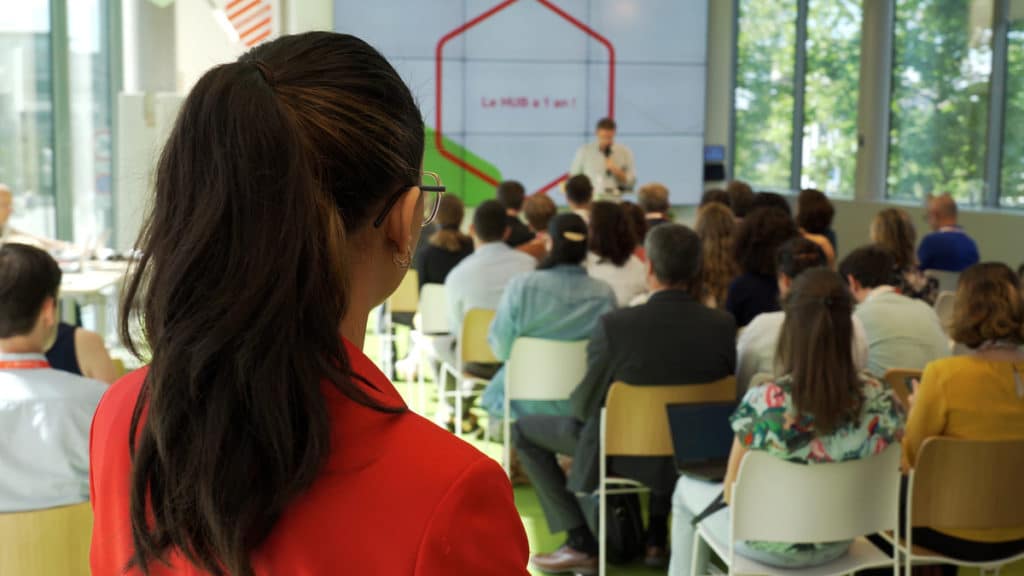
Le Hub des Territoires vous propose des événements engagés pour vous inspirer, échanger et transformer nos territoires.

Rendez-vous au Hub de la Banque des Territoires à Paris et en ligne  !

Les leviers et les défis de la décarbonation industrielle

1 octobre de 16h30 à 18h

La décarbonation de l’industrie est aujourd’hui essentielle pour atteindre la neutralité carbone. Les enjeux sont aussi bien techniques, économiques, financiers que sociétaux. Optimiser les consommations et les process, c’est s’engager pour réduire l’impact de l’industrie et sa dépendance aux énergies fossiles ! La Banque des Territoires accompagne tout le tissu industriel vers ce nouveau modèle plus performant.

Foncier économique : quel(s) levier(s) pour les collectivités ?

7 octobre de 17h à 18h30

Du foncier solidaire à la mutabilité … les nouveaux chemins du foncier économique à l’ère de la rareté des ressources. Retrouvons-nous le 7 octobre pour un temps d’échanges en hybride et un temps convivial « afterwork » au Hub des Territoires.

La problématique du foncier économique en France aujourd’hui est complexe, touchant à la fois les collectivités locales et les porteurs de projet qui doivent répondre aux défis posés par la rareté, le coût, la réglementation et les enjeux environnementaux, tout en favorisant le développement économique des territoires.

Comment former les actifs face aux enjeux de transition du 21ème siècle ?

9 octobre de 9h30 à 11h30

Evolution des métiers ou nouveaux métiers, les transitions actuelles de notre société nécessitent déjà une adaptation des compétences pour une majorité des 30 millions d’actifs que compte la France. A titre d’exemple, le Secrétariat général à la planification écologique estime à environ 880 000 actifs le nombre d’actifs à recruter et former d’ici 2030 dans des secteurs clefs comme l’agriculture, le bâtiment, l’industrie. Ce nombre s’ajoute donc aux jeunes qui sortiront de formation initiale. Plus agile que la formation initiale, la formation continue sera donc un outil clef pour réussir ses transitions et ne pas créer ou creuser de nouvelles inégalités.

Adaptation au changement climatique : comment passer à l’action ?

15 octobre de 11h à 12h30

Quels leviers pour lancer des actions opérationnelles visant l’adaptation des territoires au changement climatique ? Venez découvrir des retours d’expérience concrets de projets sous le prisme des aléas (surchauffe, inondations, recul du trait de côte, adaptation des activités, etc).

Retrouvons-nous pour le 3ème volet du cycle adaptation au changement climatique au Hub des Territoires ou en ligne !

La redynamisation des rez-de-chaussée des bailleurs sociaux, quelles réponses dans les QPV?

16 octobre de 10h à 12h

L’attractivité des quartiers prioritaires de la Politique de la ville (QPV) est la résultante de plusieurs atouts dont les pieds d’immeubles des bailleurs sociaux font partie. Quels sont les leviers d’action pour activer ces rez-de-chaussée ? Comment concilier enjeux de territoire, de patrimoine, de marché et besoins des habitants ? Quelles réponses locales pour favoriser des occupations positives de ces pieds d’immeubles ?

Sobriété foncière, ces territoires qui avancent. L'exemple de la méthode bretonne

21 octobre de 14h à 15h30

Engagés dans une démarche collective de territorialisation de la sobriété foncière, les acteurs de la Région Bretagne avancent malgré un contexte national incertain. Avec méthode, ceux-ci essaient de concerter toutes les parties prenantes et fondent leurs actions sur le respect des compétences locales. Venez retrouver le témoignage des élus et acteurs engagés dans une démarche inspirante. Comment et pourquoi s’être engagé alors que le débat reste encore enflammé ? Quelle gouvernance ? Comment se lancer ? Où en sont les acteurs sur le terrain? Que reste-t-il comme chemin à parcourir ?

Gestion post crise à Mayotte : quels enseignements ?

24 novembre de 14h à 15h30

Retrouvons-nous pour le 4ème volet du cycle adaptation au changement climatique au Hub des Territoires ou en ligne !

Pour découvrir encore plus d’événements, rendez-vous sur notre Agenda. 

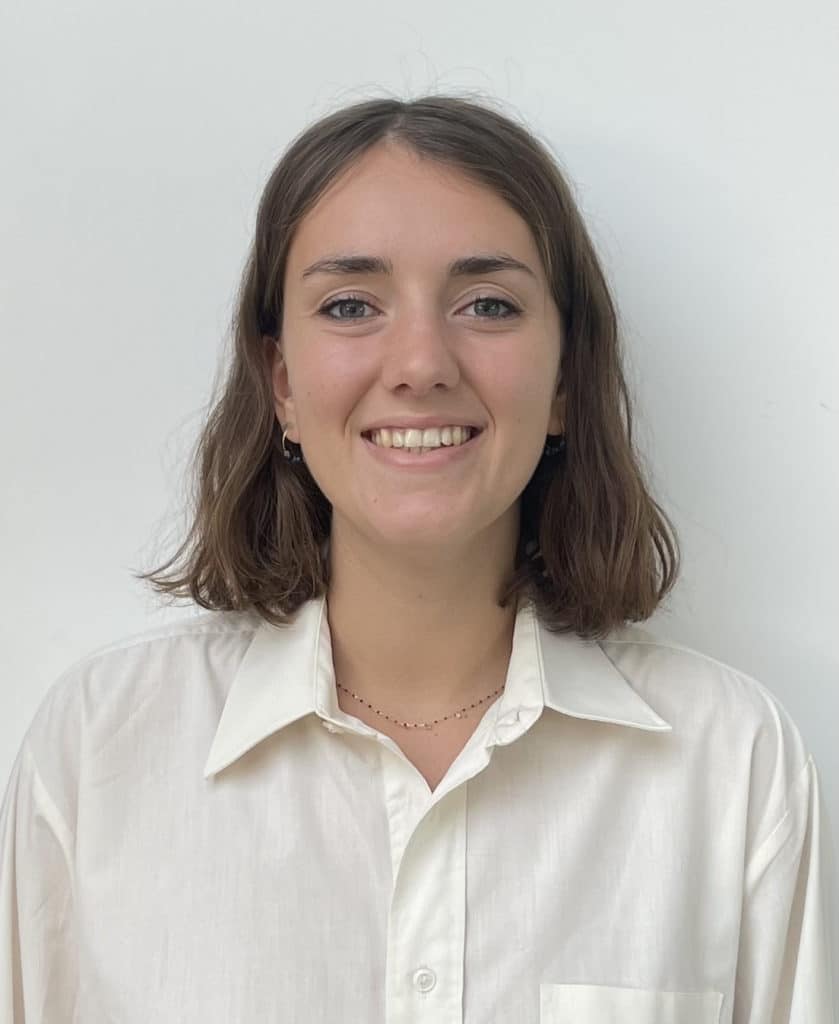
About Nina

A student at Sciences Po Paris, enrolled in the Master’s program in Territorial and Urban Strategies, Nina is interested in public policies at the territorial level as well as the challenges of ecological transition.

As part of a student project during her first year of the Master’s program, she worked with the National Housing Agency (Anah) on eco-design in urban renovation. She then took a gap year to gain more professional experience, completing two internships: the first with the City of Paris, where she contributed to the implementation of the first plan to combat energy poverty, and the second with the Paris Urban Planning Agency (Apur), where she worked on the territorialization of public health.

Currently in her second year of the Master’s program, she is beginning an apprenticeship with the association France Villes et Territoires Durables.

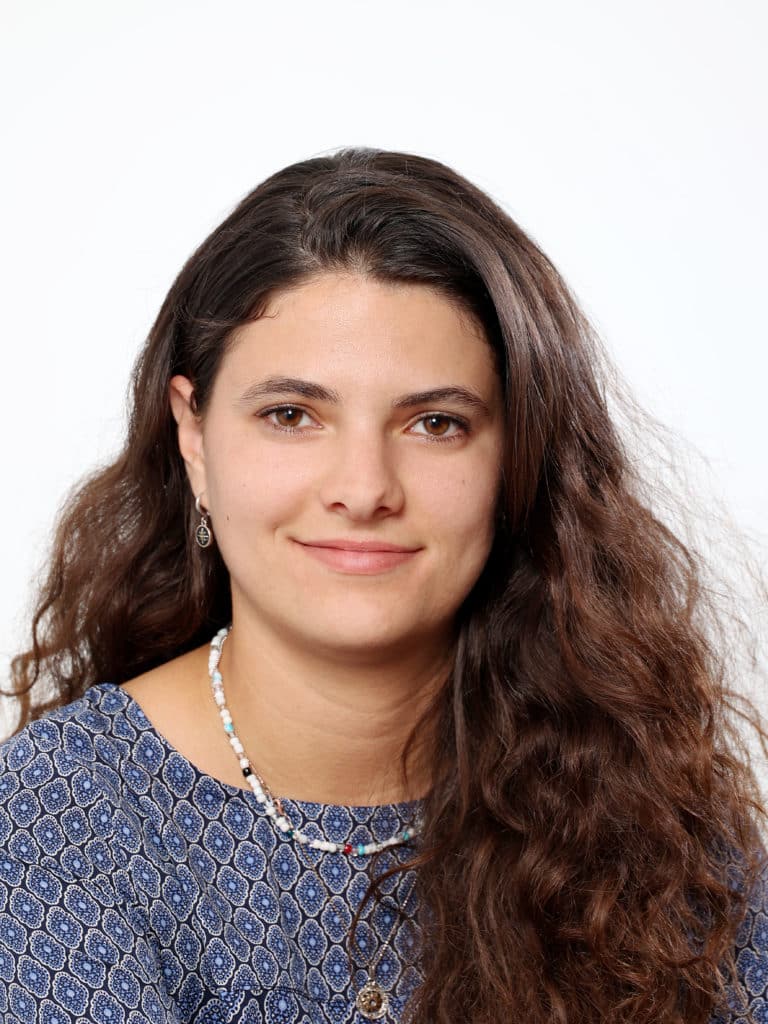
About Solène

Mission Officer, Working Group, and Projects. Student at the Urban School of Sciences Po Paris, focusing on the ecological transition of cities.

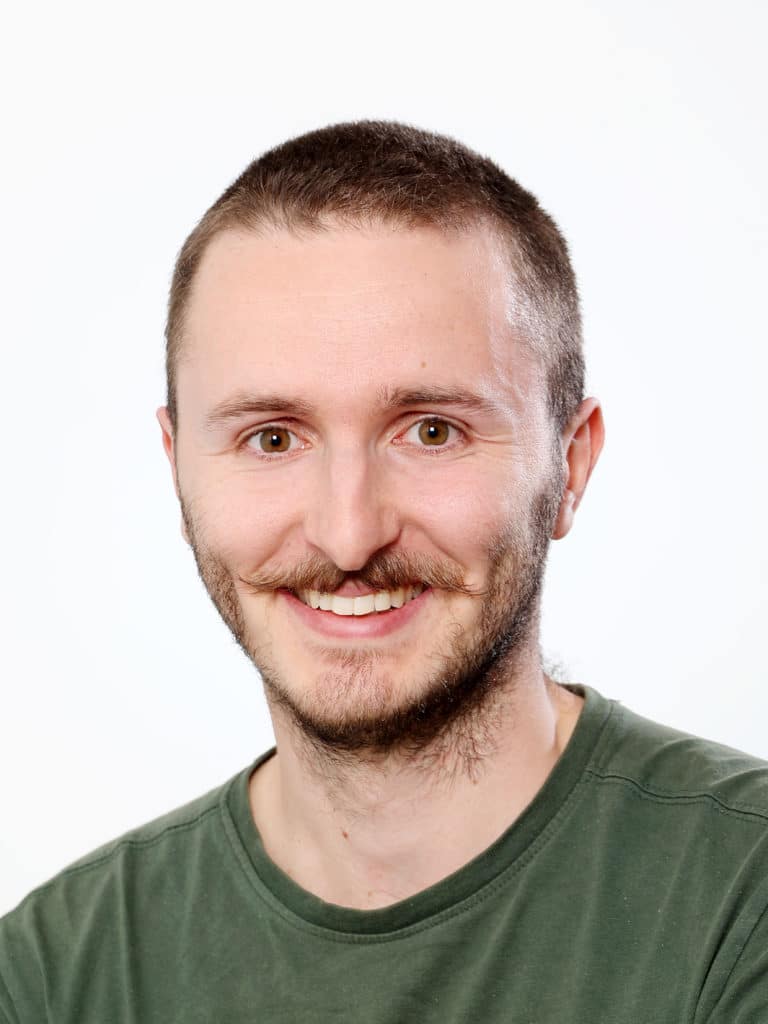
About Quentin

Motivated by climate issues and planetary boundaries, Quentin decided to study land use planning at the Ecole Nationale des Ponts et Chaussées. His experience in associative field at the Fresque du Climat, helped him to better understand the stakes of the ecological bifurcation. Between his native Haute-Savoie and his home town Rennes, where he gained expertise in mobility and sustainable agriculture, he is now based in Paris to deploy the Sustainable City by France’s territorial workshops throughout the country.

About Alice

After five years’ study at Sciences Po Lyon, with a specialization in territorial transitions, Alice joined Sustainable City by France (France Villes et territoires Durables). She actively contributes to the deployment of the association’s territorial workshops and working groups.
See her LinkedIn profile 
Photo-circulaire-tara

Currently studying as a second-year Master’s student in International Relations at University Paris 1 Panthéon-Sorbonne, Tara holds a Bachelor’s degree from INALCO, with a double-major in Hindi language, and International relations / Environmental studies. Her work with us is in line with her former experiences at UNESCO and the Ministry of Europe and Foreign Affairs, thus deepening her professional expertise in the field of environmental diplomacy and international cooperation for sustainable development.

See her LinkedIn profile

Photo-circulaire-carla

She holds a Master’s degree in Development Economics from the Panthéon-Sorbonne University and is currently studying for a Master’s degree in International Relations and Action Abroad at the same university. She approaches the problems of sustainable cities and territories through these different perspectives and her international experiences.

About Isabelana

Isabelana is a Mexican journalist who holds a Master’s degree in Digital Communication and Data Analysis from the Sorbonne University. She previously worked in communication and press relations in the cultural sector in France and Mexico. Today, she is interested in ecological actions and solutions to preserve the environment and the biodiversity.

About Camille

camille photo
With a background in social sciences, art history and architecture, Camille has worked in communication within the VINCI group: from major international projects to La Fabrique de la Cité, a think tank dedicated to urban foresight.

About Alexandra

A geographer by training (Saint Petersburg State University), she started as a geographer and economist at the Academy of Agricultural Economics (Russia), before pursuing her career in France as an administrative and accounting assistant (Air Liquide, Association TGV Provence Côte d’Azur, COFHUAT, Groupe Hervé)

About Marion

Trained in international and European affairs between England and France as part of a double degree at Sciences-Po Lille / University of Kent, Marion started her career in advocacy and institutional relations of non-governmental organisations, in the fair trade sector (Max Havelaar France label). Her experiences are also linked to territories, with a passage in decentralised cooperation at the level of a departmental council.

About Sébastien

Before joining the SCbF team, he held several positions in local government management. From elected official and deputy mayor of his native city Besançon, in charge of university relations and international cooperation, to Director of Economic Development of the City of Pantin, to Chief of staff in Montreuil – where he notably piloted the in-depth redesign of the urban project towards more ecology and sustainable development – he continued his career as Senior Resilience Officer of the City of Paris.
He promotes a holistic and systemic vision of sustainable development and brings his expertise in territorial resilience, ecological and social transition.